Complete LED Guide: Everything You Need to Know About LED Technology, Programming & Applications
The ultimate LED guide 2024! Complete coverage of LED technology, programming, controllers, effects, installation, careers, and industry applications. From beginner basics to professional expertise.
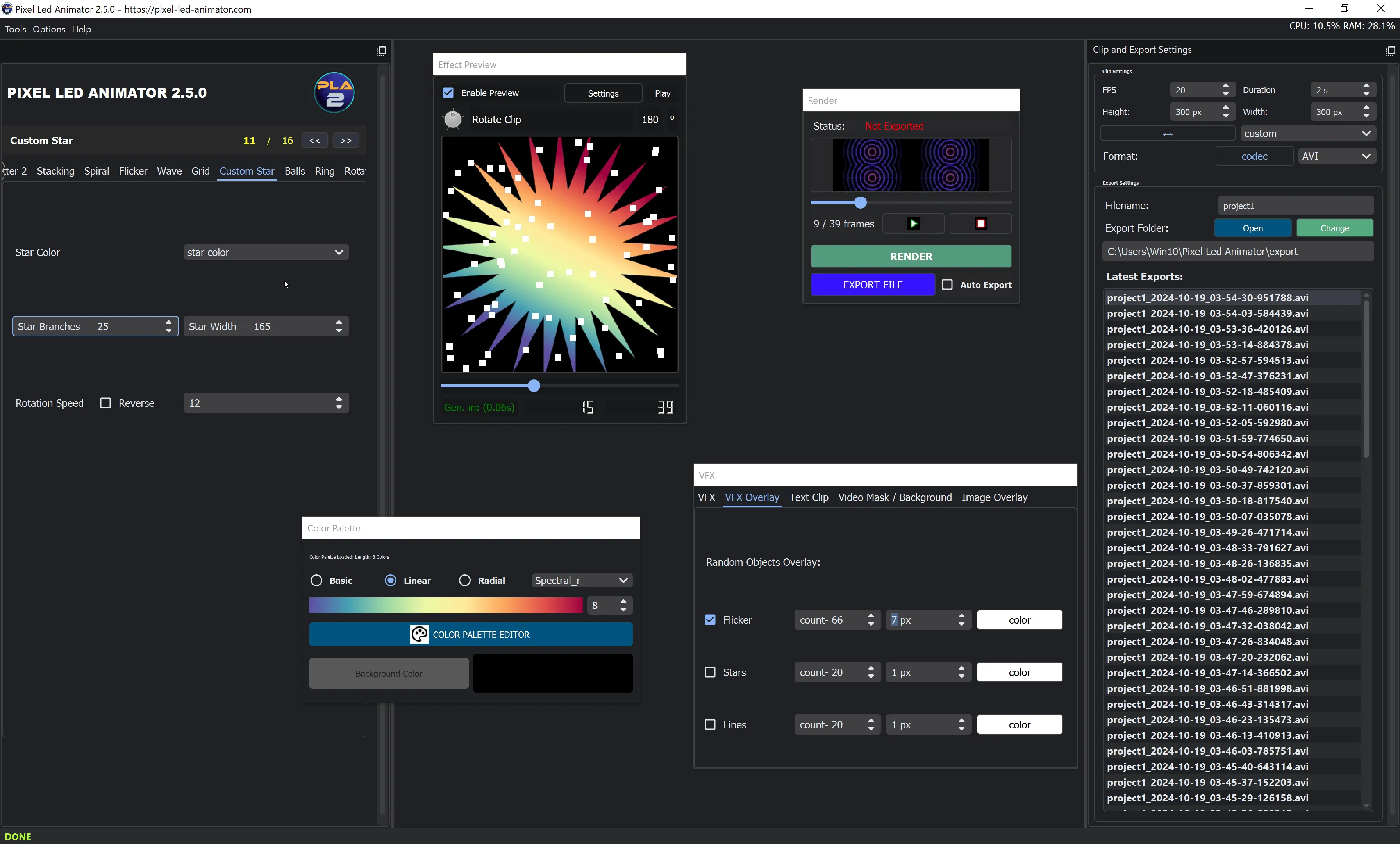
Table of Contents
Complete LED Guide 2024: Everything You Need to Know About LED Technology, Programming & Applications
Welcome to the most comprehensive LED guide available in 2024. This ultimate resource covers everything from basic LED technology fundamentals to advanced professional applications, programming techniques, hardware selection, career opportunities, and future industry trends. Whether you’re a complete beginner or seasoned professional, this guide provides the knowledge you need to succeed in the booming LED industry.
LED Technology Fundamentals
What is LED Technology?
LED (Light Emitting Diode) technology represents a revolutionary advancement in lighting and visual display systems. Unlike traditional incandescent or fluorescent lighting, LEDs generate light through electroluminescence - the process of electrons releasing energy as photons when passing through semiconductor materials.
Key LED Characteristics
- Energy Efficiency: 75% less energy consumption than traditional lighting
- Longevity: 50,000-100,000 hour lifespan (compared to 1,000 hours for incandescent)
- Instant Operation: No warm-up time required
- Directional Light: Focused light emission without diffusion
- Color Versatility: Full spectrum RGB and RGBW capabilities
- Digital Control: Precise dimming and color control
LED Types and Applications
Individual LEDs (Through-Hole)
- Standard 5mm/10mm LEDs: Basic lighting and indicator applications
- High-Brightness LEDs: 10,000-25,000 mcd output for displays
- RGB LEDs: Full color mixing capabilities
- SMD LEDs: Surface-mount technology for compact designs
LED Strips and Arrays
- Flexible LED Strips: WS2812B, SK6812 addressable pixels
- Rigid LED Bars: Fixed-position arrays for structured lighting
- LED Matrices: Grid-based displays for complex patterns
- LED Panels: Modular systems for large-scale installations
Specialized LED Systems
- High-Power LEDs: 1W-10W individual emitters for intense lighting
- COB LEDs: Chip-on-Board technology for uniform illumination
- Quantum Dot LEDs: Enhanced color accuracy and efficiency
- Organic LEDs (OLED): Flexible, transparent display technology
LED Programming Essentials
Software Tools Overview
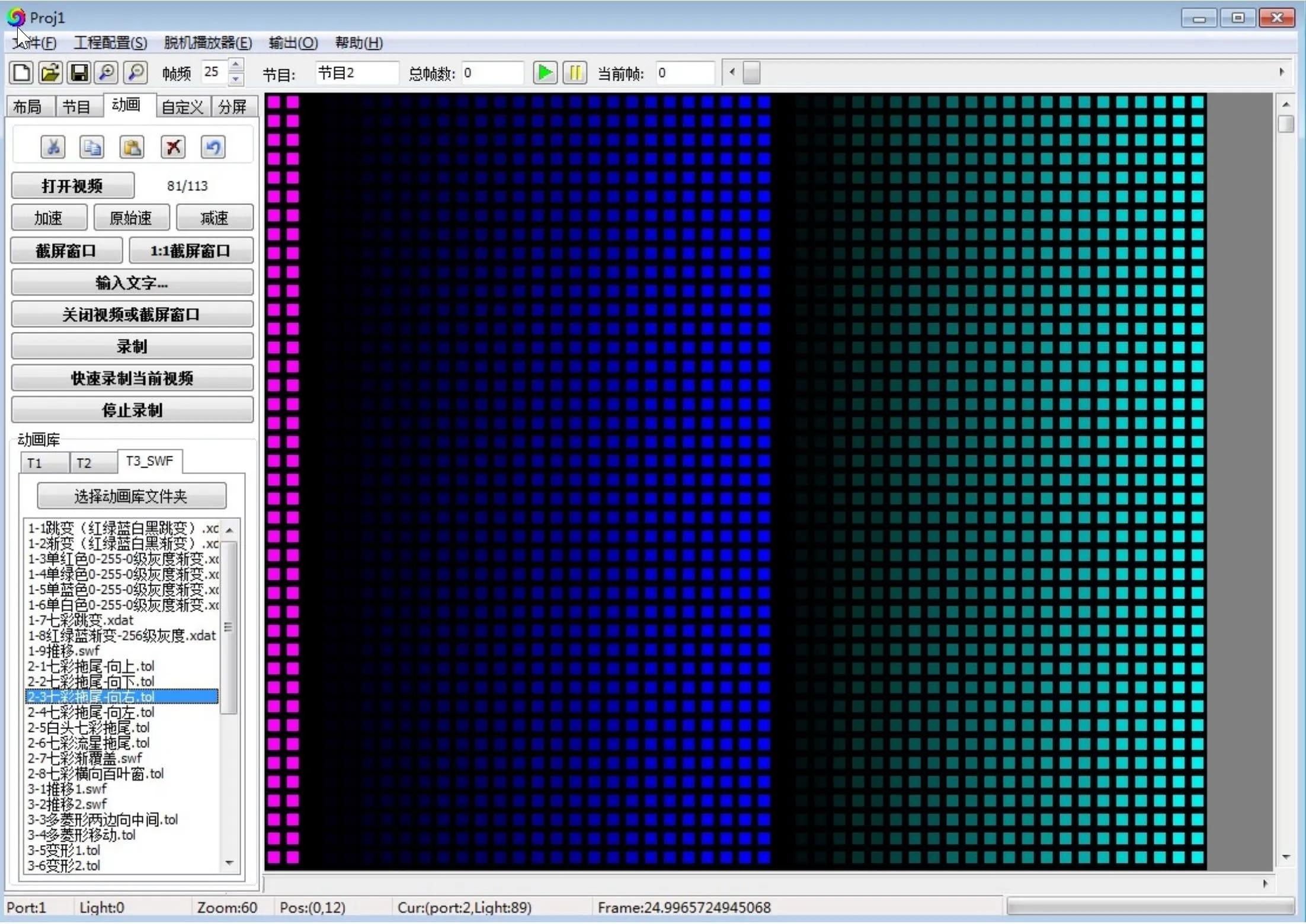
LEDedit 2024 Professional
The industry-standard LED programming software with advanced features:
- Version 10.3 Features: Remote management, IP extension, advanced timing
- Controller Support: T-1000S, K-1000C, K-8000C, T-8000A
- File Formats: LED, SWF, AVI, GIF compatibility
- Real-Time Control: Live effect manipulation and adjustments
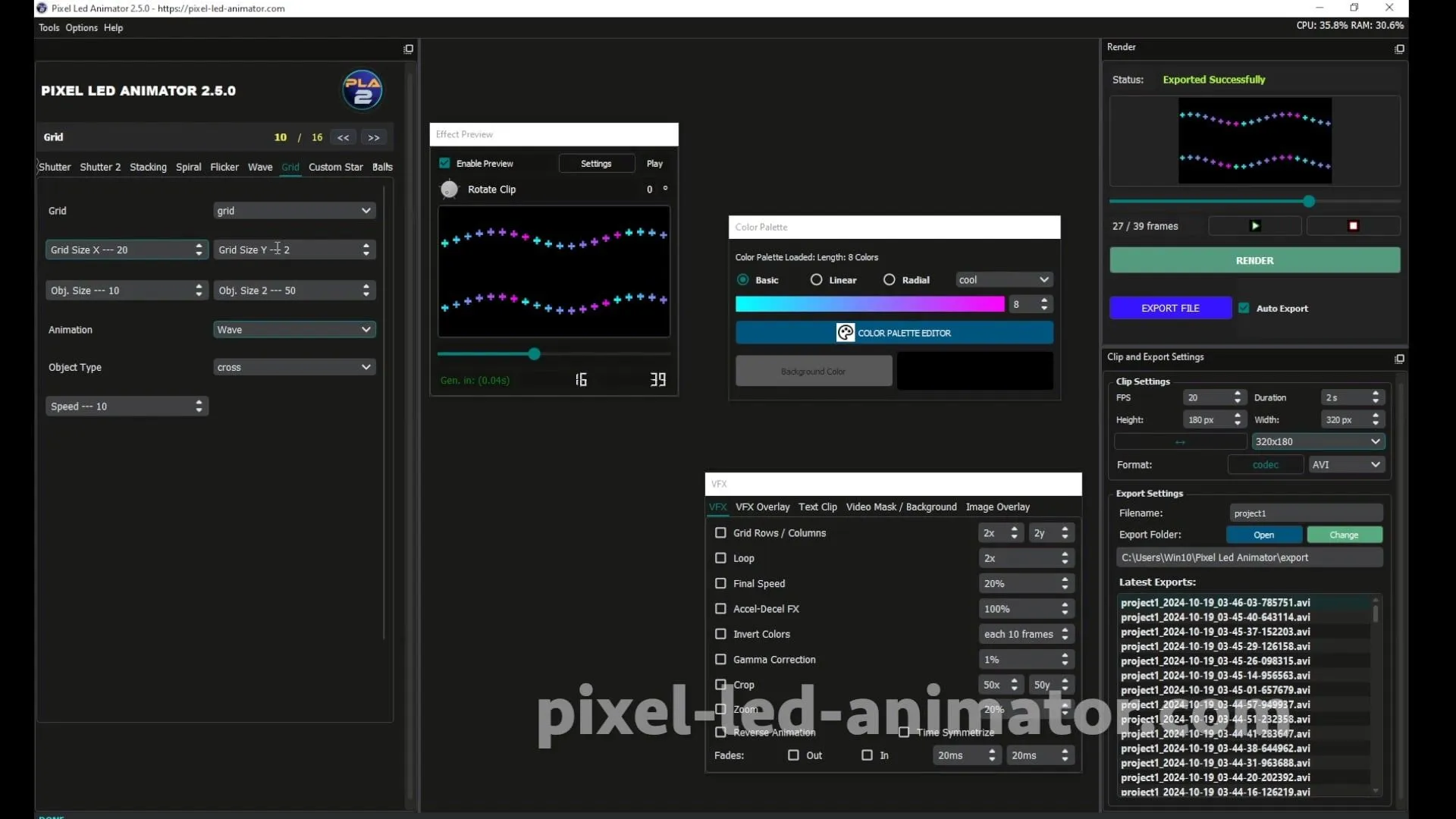
Pixel LED Animator 3.0
Professional effects creation and animation tool:
- 200+ Built-in Effects: Ready-to-use animations and patterns
- Real-Time Preview: Instant visual feedback during creation
- Multi-Format Export: AVI, SWF, GIF, MP4, WebP support
- Advanced Features: 100+ color maps, particle systems, 3D effects
Specialized Software Tools
- Jinx! LED Matrix: Real-time matrix control and live performance
- xLights: Show sequencing and network synchronization
- Vixen: Free sequencing software for holiday displays
- Madrix: Professional LED mapping and control
Programming Concepts
Controller Architecture
- Pixel-Based Control: Individual LED addressing and control
- Data Protocols: SPI, DMX, Art-Net, sACN communication
- Timing Systems: Frame rates, refresh rates, synchronization
- Memory Management: Effect storage and real-time processing
Effect Programming
- Keyframe Animation: Timeline-based effect creation
- Layer Compositing: Multiple effects combined seamlessly
- Color Theory: RGB mixing, color spaces, gamma correction
- Motion Dynamics: Speed, acceleration, easing functions
LED Controllers Comparison
Popular Controller Models
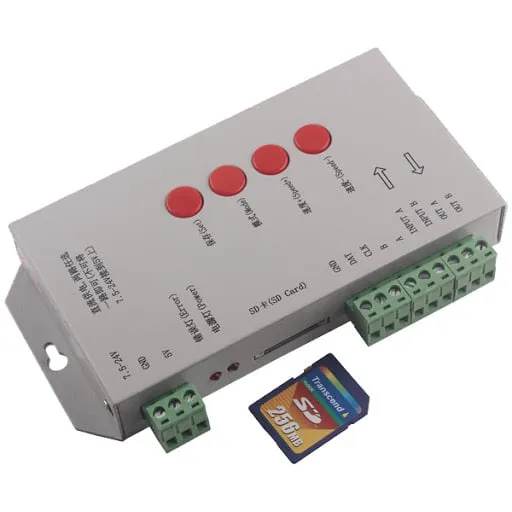
T-1000S Budget Controller
- Specifications: 2048 pixels, SD card, USB programming
- Best For: Beginners, small projects, educational use
- Price Range: $25-35
- Connectivity: USB, SD card storage
- Limitations: No WiFi, basic features
K-1000C WiFi Controller
- Specifications: 2048 pixels, WiFi, mobile app, 32MB memory
- Best For: Hobbyists, small commercial, remote control
- Price Range: $45-55
- Connectivity: WiFi, USB, SD card
- Features: Mobile app, cloud storage, remote management
K-8000C Professional Controller
- Specifications: 8192 pixels, Ethernet, WiFi, 64MB memory
- Best For: Professional installations, medium venues
- Price Range: $85-95
- Connectivity: WiFi, Ethernet, USB 3.0
- Features: Professional reliability, advanced timing, network sync
T-8000A Enterprise Controller
- Specifications: 16,384 pixels, multiple ports, 128MB memory
- Best For: Large venues, stadiums, enterprise applications
- Price Range: $120-140
- Connectivity: Multiple USB/Ethernet ports
- Features: Maximum capacity, enterprise reliability
Controller Selection Guide
Project Size Considerations
- Small Projects (<1000 LEDs): T-1000S or K-1000C
- Medium Projects (1000-5000 LEDs): K-8000C
- Large Projects (>5000 LEDs): T-8000A or multiple controllers
Application-Based Selection
- DIY/Home Projects: T-1000S for budget, K-1000C for convenience
- Commercial Displays: K-8000C for professional results
- Entertainment Venues: K-8000C or T-8000A depending on scale
- Architectural Installations: Professional controllers with network features
LED Effects Creation
Effect Types and Techniques
Basic Effects
- Static Colors: Single color displays and gradients
- Color Cycling: Smooth color transitions and fades
- Brightness Control: Dimming and intensity variations
- Pattern Displays: Geometric shapes and simple animations
Advanced Effects
- Particle Systems: Fireworks, stars, dynamic movement
- Wave Animations: Flowing patterns and ripple effects
- Text Effects: Scrolling messages and dynamic text
- 3D Illusions: Depth simulation on 2D surfaces
Real-Time Effects
- Audio Reactive: Music-synchronized lighting
- Sensor Integration: Motion and environmental response
- Interactive Effects: Touch and gesture controls
- AI-Generated: Machine learning created effects
Professional Effects Creation Process
Planning Phase
- Project Requirements: Define goals, audience, location
- Technical Specifications: LED count, controller type, power requirements
- Content Strategy: Effect themes, timing, messaging
- Timeline Planning: Development schedule and milestones
Creation Phase
- Software Setup: Install and configure LED programming tools
- Asset Creation: Design patterns, animations, and effects
- Testing: Preview effects on virtual LED layouts
- Optimization: Adjust for performance and visual impact
Deployment Phase
- Hardware Configuration: Set up controllers and LED arrays
- Content Upload: Transfer effects to hardware
- Calibration: Adjust colors, brightness, timing
- Final Testing: Verify operation in target environment
LED Installation Guide
Pre-Installation Planning
Site Assessment
- Environmental Conditions: Temperature, humidity, weather exposure
- Power Infrastructure: Available voltage, amperage, electrical access
- Structural Requirements: Mounting surfaces, weight capacity, accessibility
- Safety Considerations: Electrical codes, emergency access, maintenance needs
Technical Planning
- LED Density: Pixels per meter based on viewing distance
- Power Distribution: Voltage drop calculations, injection points
- Data Integrity: Cable lengths, signal amplification needs
- Control Architecture: Controller placement, network requirements
Hardware Installation
Electrical Setup
- Power Supply Installation: Proper mounting and ventilation
- Cable Management: Organized wiring, strain relief, protection
- Grounding: Comprehensive earth grounding system
- Safety Systems: Circuit protection, emergency disconnects
LED Array Assembly
- Surface Preparation: Cleaning, priming, alignment
- Mounting Methods: Adhesive, mechanical fasteners, cable management
- Connection Quality: Secure soldering, proper polarity, continuity testing
- Protection: Weatherproofing, UV protection, physical shielding
Software Configuration
Controller Setup
- Hardware Recognition: USB/WiFi detection and driver installation
- Parameter Configuration: Pixel count, color order, timing settings
- Network Configuration: IP assignment, security settings
- Firmware Updates: Latest software and security patches
Effect Programming
- Content Creation: Design and program LED effects
- Timing Synchronization: Frame rates, effect sequencing
- Quality Optimization: Color accuracy, brightness calibration
- Performance Tuning: Memory usage, processing efficiency
LED Industry Applications
Entertainment & Events
Concert Lighting
- Stage Integration: Band synchronization, crowd engagement
- Real-Time Control: Live manipulation during performances
- Scalability: From intimate venues to stadium tours
- Technical Requirements: High refresh rates, reliable operation
Festival Installations
- Large-Scale Effects: Multi-acre coverage, coordinated displays
- Weather Resistance: Outdoor operation in various conditions
- Power Management: Generator integration, energy efficiency
- Safety Compliance: Emergency lighting, crowd management
Architectural Lighting
Building Façades
- Pixel Mapping: Complex surface illumination
- Dynamic Storytelling: Brand communication through light
- Energy Efficiency: Optimized operation and scheduling
- Integration: Building management system connectivity
Urban Environments
- City Beautification: Landmark enhancement
- Safety Illumination: Pedestrian and traffic lighting
- Smart City Integration: IoT connectivity and automation
- Cultural Expression: Community identity through lighting
Commercial Applications
Retail Environments
- Product Highlighting: Dynamic merchandise presentation
- Brand Experience: Immersive shopping environments
- Customer Engagement: Interactive lighting displays
- Sales Conversion: Attention-grabbing visual effects
Hospitality Industry
- Ambiance Creation: Mood-setting lighting environments
- Guest Experience: Personalized lighting zones
- Safety Features: Emergency and security illumination
- Energy Management: Automated efficiency optimization
Industrial Applications
Manufacturing Facilities
- Task Lighting: Precision work area illumination
- Safety Systems: Emergency and hazard indication
- Process Monitoring: Status indication and alerts
- Energy Optimization: Automated lighting control
Smart Buildings
- Occupancy Detection: Automated lighting activation
- Daylight Harvesting: Natural light integration
- Maintenance Alerts: Predictive lighting system monitoring
- Integration: Building automation system connectivity
LED Career Opportunities
Technical Roles
LED Programmer/Developer
- Skills: Software development, LED protocols, real-time systems
- Salary Range: $65,000 - $120,000 annually
- Growth Potential: High demand for custom solutions
- Career Path: Junior developer → Senior programmer → Technical lead
LED Systems Engineer
- Skills: Electrical engineering, system design, integration
- Salary Range: $75,000 - $130,000 annually
- Growth Potential: Enterprise and large-scale projects
- Career Path: Technician → Engineer → Senior engineer → Manager
Creative Roles
LED Lighting Designer
- Skills: Architectural lighting, color theory, design software
- Salary Range: $60,000 - $95,000 annually
- Growth Potential: Commercial and architectural markets
- Career Path: Assistant → Designer → Senior designer → Director
LED Content Creator
- Skills: Animation, visual effects, storytelling
- Salary Range: $50,000 - $85,000 annually
- Growth Potential: Entertainment and advertising industries
- Career Path: Creator → Senior creator → Creative director
Business Roles
LED Project Manager
- Skills: Project management, technical coordination, client relations
- Salary Range: $70,000 - $120,000 annually
- Growth Potential: Large installation projects
- Career Path: Coordinator → Manager → Senior manager → Director
LED Sales Consultant
- Skills: Technical knowledge, sales, client presentation
- Salary Range: $55,000 - $95,000 + commission
- Growth Potential: Growing market with high commissions
- Career Path: Sales rep → Senior consultant → Sales manager
Industry Trends & Future
Current Market Trends
Technology Advancements
- IoT Integration: Smart lighting systems and connectivity
- Energy Efficiency: 75% reduction in power consumption
- Smart Controls: Mobile apps and automation platforms
- Customization: Bespoke solutions for unique applications
Market Growth
- Industry Size: $80+ billion global market
- CAGR: 29.4% growth through 2030
- Job Creation: 1+ million new positions
- Geographic Expansion: Worldwide adoption and growth
Future Developments
Emerging Technologies
- AI Integration: Machine learning for automated design
- Quantum Dot LEDs: Superior color and efficiency
- Li-Fi Communication: Data transmission through light
- Holographic Displays: True 3D LED experiences
Industry Evolution
- Sustainable Solutions: Eco-friendly materials and practices
- Smart City Integration: Urban lighting infrastructure
- Personalized Experiences: AI-driven customization
- Remote Management: Cloud-based control systems
Getting Started with LED
Learning Resources
Educational Pathways
- Online Courses: Udemy, Coursera, specialized LED training
- Books and Guides: Technical manuals and design references
- YouTube Channels: Tutorial series and project walkthroughs
- Community Forums: Reddit, Facebook groups, professional networks
Hands-On Learning
- Starter Kits: Affordable LED controller and strip packages
- DIY Projects: Home lighting installations and experiments
- Open-Source Software: Free tools for learning and experimentation
- Community Workshops: Local maker spaces and LED enthusiast groups
Equipment Recommendations
Beginner Setup
- Controller: T-1000S ($25-35)
- LED Strips: 5m WS2812B strip ($20-30)
- Power Supply: 5V 10A supply ($15-25)
- Software: LEDedit free version
Intermediate Setup
- Controller: K-1000C ($45-55)
- LED Panels: 16×16 matrix ($50-80)
- Tools: Soldering iron, multimeter ($50-100)
- Software: Pixel LED Animator 3 ($49-99)
Professional Setup
- Controller: K-8000C ($85-95)
- LED Arrays: Custom panels and installations
- Tools: Professional lighting equipment
- Software: Complete software suite
Troubleshooting Common Issues
Hardware Problems
Power Issues
- No Power: Check connections, fuses, voltage
- Flickering: Insufficient current, voltage drops
- Overheating: Ventilation problems, current overload
- Shutdown: Protection circuit activation
LED Display Issues
- Dead Pixels: Individual LED failure, connection problems
- Color Shifts: Temperature effects, calibration issues
- Flickering: Power instability, timing problems
- Dim Display: Power supply inadequacy, resistance issues
Software Problems
Programming Issues
- Upload Failures: Connection problems, file corruption
- Effect Errors: Incorrect parameters, compatibility issues
- Timing Problems: Clock synchronization, frame rate issues
- Memory Issues: File size limits, storage capacity
Controller Issues
- Connection Problems: USB drivers, WiFi configuration
- Firmware Errors: Update failures, compatibility issues
- Configuration Loss: Settings corruption, reset procedures
- Performance Issues: Processing overload, memory limitations
Safety and Best Practices
Electrical Safety
- Proper Grounding: Earth connections for all equipment
- Circuit Protection: Fuses, circuit breakers, GFCI outlets
- Voltage Awareness: Correct voltage for all components
- Cable Management: Organized, protected wiring systems
Installation Safety
- Fall Protection: Elevated work safety procedures
- Ladder Safety: Proper equipment for height work
- Tool Safety: Correct use of electrical and power tools
- Weather Considerations: Safe outdoor installation practices
Operational Safety
- Heat Management: Ventilation and cooling requirements
- Emergency Procedures: Power cutoff and evacuation protocols
- Maintenance Access: Safe service and repair procedures
- Documentation: Safety records and compliance documentation
Conclusion: Your LED Journey Starts Here
This comprehensive LED guide 2024 provides everything you need to understand, work with, and succeed in the LED industry. From basic technology concepts to advanced professional applications, we’ve covered the complete spectrum of LED knowledge.
The LED industry represents one of the fastest-growing sectors with unlimited potential for creativity, innovation, and career development. Whether you’re interested in programming, installation, design, or business opportunities, the LED field offers rewarding possibilities for all skill levels.
Start your LED journey today by exploring the tutorials, selecting appropriate tools, and building your first project. The future of lighting is LED, and your expertise in this technology will be highly valued in the years to come.
Ready to explore the world of LED? Start with our LED Programming Guide and explore our comprehensive LED Categories for tutorials, tools, and professional resources.